
Introduction
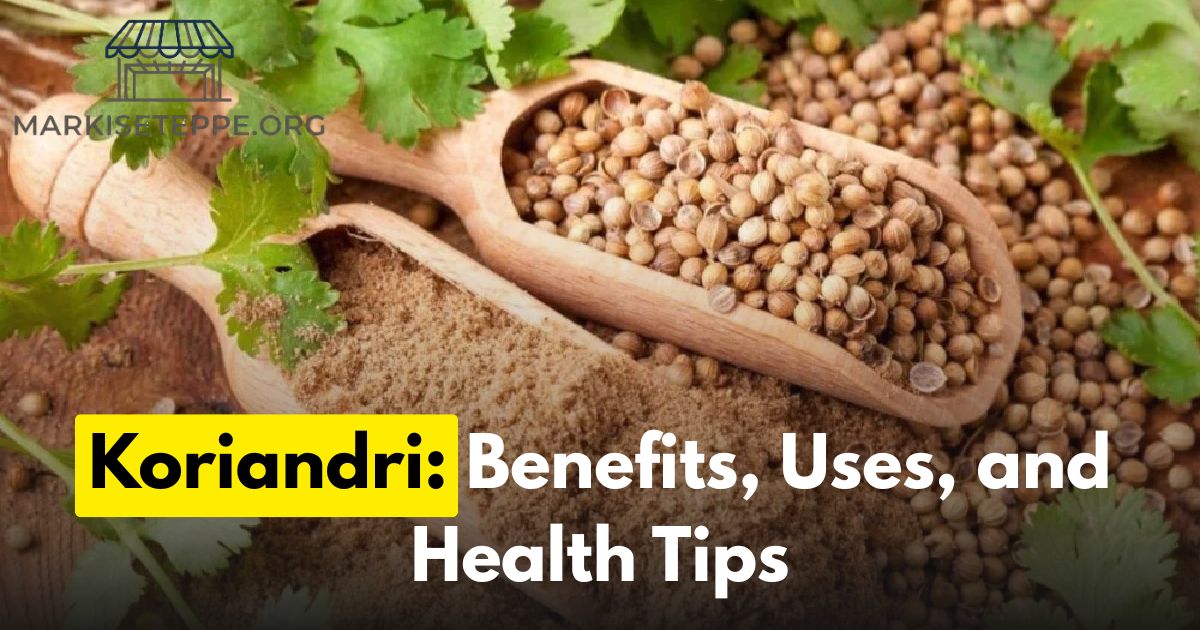
Koriandri, commonly known as coriander, is a versatile herb cherished in kitchens and traditional medicine around the world. Both its fresh leaves, often called cilantro, and its dried seeds are packed with flavor and nutritional value. Culinary enthusiasts use koriandri to enhance the taste of salads, curries, sauces, and marinades, while herbalists value its antioxidant and digestive properties. Rich in vitamins, minerals, and bioactive compounds like linalool, koriandri offers a natural way to support overall health, including blood sugar regulation, cardiovascular wellness, and immune function. Its unique aroma and vibrant green leaves make it a staple ingredient, connecting cultural traditions with modern health benefits.
What Is Koriandri?
“Koriandri” is another name for coriander, referring to the plant Coriandrum sativum. Whether we talk about its leafy green form (cilantro) or its dried, aromatic seeds, both parts come from the same botanical source. In many South Asian languages, “koriandri” simply reflects the local pronunciation of coriander — giving this ancient herb a familiar, homey feel. It belongs to the Apiaceae family, and its delicate umbrella-like flowers are followed by round, ribbed seeds that hold its real potency.
Why Koriandri Matters: Culinary, Medicinal & Cultural Significance
Many cuisines around the globe rely on koriandri as a staple — from chutneys in South Asia to Latin-American salsas. But it isn’t just about flavor: traditionally, people have used both the leaves and seeds for digestive troubles, inflammation, and even detoxification. In folk medicine, it plays a role in Ayurvedic and Middle Eastern practices. Over time, modern research has validated many of these uses, making koriandri a bridge between culinary delight and natural medicine.
Nutritional Profile
Koriandri is surprisingly nutrient-rich for a spice. The fresh leaves are mostly water but pack in vitamin A, vitamin C, and vitamin K, plus minerals like calcium and potassium. On the other hand, the seeds bring more fat, fiber, and micronutrients such as iron, magnesium, and manganese.
Vitamins, Minerals & Macronutrients
In 100 g of coriander seeds, studies report substantial amounts of protein, carbohydrates, and ash — along with calcium, phosphorus, potassium, and iron. Meanwhile, the leaves offer a relatively low-calorie way to boost your intake of antioxidants and key micronutrients.
Bioactive Compounds: Essential Oils & More
The chemical richness of koriandri is fascinating. Its essential oil, especially from the seeds, is dominated by linalool, sometimes making up 60‑80% of the oil. Other constituents include γ‑terpinene, α‑pinene, camphor, and geranyl acetate. On top of that, koriandri seeds hold polyphenols like vanillic acid, rutin, and catechins — powerful antioxidants that contribute to its health effects. The leaves also offer flavonoids such as quercetin, kaempferol, apigenin, and rhamnetin.
Differences Between Leaves vs Seeds
Although both leaves and seeds come from the same plant, their uses and chemical profiles are quite distinct. Leaves (cilantro) are prized in fresh foods and side dishes. They give a bright, citrusy note. Seeds, when dried and ground, are more robust, warming, and spicy. Nutritionally, leaves are hydrating and micronutrient-rich, while seeds have more fiber and oils. Chemically, seeds concentrate linalool and other essential oils, whereas leaves lean into flavonoids, carotenoids, and various phenolic acids.
Health Benefits of Koriandri
Digestive Health
Koriandri has long been used for digestion. The fiber in seeds helps move food through your gut, reducing bloating and constipation. Meanwhile, its essential oils can stimulate digestive enzymes and relax intestinal muscles.
Anti‑Inflammatory & Antioxidant Effects
Thanks to its polyphenols and flavonoids, koriandri combats oxidative stress and inflammation. These compounds help neutralize free radicals, potentially reducing the risk of chronic diseases.
Blood Sugar Regulation & Metabolic Support
Research supports koriandri’s role in blood sugar control: seed extracts lowered fasting glucose significantly in animal studies. One polyphenol-rich fraction from coriander seeds reduced hyperglycemia and improved glucose tolerance in diabetic mice.
Cardiovascular Health
Coriandri may benefit the heart by improving lipid profiles. Studies found reduced LDL (“bad” cholesterol) and triglycerides, along with better HDL (“good” cholesterol), after koriandri consumption. Its potassium content may also help regulate blood pressure.
Detoxification & Heavy Metal Chelation
There’s anecdotal and traditional evidence that koriandri helps in detoxification, particularly removing heavy metals. While modern science is still catching up, people have long used coriander alongside binders (like chlorella) to help cleanse toxins.
Immune System Support
By reducing inflammation and scavenging free radicals, koriandri supports immune health. Its bioactive molecules may bolster the body’s defense mechanisms indirectly via antioxidant pathways.
Skin & Hair Benefits
The anti-inflammatory and antimicrobial properties of koriandri make it useful for skin health. Topical or internal koriandri may soothe irritation, support wound healing, and even help with scalp issues.
Mental & Neurological Effects
Coriandri’s high linalool content appears to have calming, neuroprotective effects. Studies (including preclinical ones) suggest it can reduce anxiety, protect neurons from oxidative damage, and support brain health. Some human observations even link koriandri plant exposure with improved mood and altered brain-wave activity.
How Koriandri Works: Mechanism of Action
The magic of koriandri lies in its key phytochemicals. Linalool, the dominant monoterpene in coriander essential oil, interacts with neurotransmitter systems and antioxidant pathways. Polyphenols like rutin and catechin help regulate glucose, reduce inflammation, and improve lipid metabolism. These compounds are not just floating around — studies show they can act in living systems, improving markers of health in animals.
Scientific Studies & Evidence
Modern science backs many traditional uses of koriandri. A 4-week mouse study found that a polyphenol-rich coriander seed fraction dramatically reduced blood sugar, lowered LDL cholesterol, and reduced inflammatory markers. Another review highlights how coriander’s essential oil, largely made of linalool, has antimicrobial, anti-inflammatory, neuroprotective, and antidepressant effects. Ethnopharmacological studies also point to coriander’s long use for digestion, heart health, and neurological benefits.
Traditional Uses & History
Use in Ayurveda / Traditional Medicine
In Ayurveda, koriandri (dhania) is used to ease digestion, relieve bloating, and reduce heat in the body. Traditional healers have burned or steeped it to calm the gut, and sometimes combined it with other spices for metabolic support.
Historical & Cultural Significance Across Regions
Historically, koriandri was among the first spices used by humans. Ancient traders carried its seeds across continents. In the Middle East, coriander was used to treat joint pain and inflammation; in North Africa, its decoctions addressed digestive woes; and in European folk medicine, it was a common remedy for gut problems.
Culinary Uses
Using Fresh Leaves (Cilantro)
Fresh koriandri leaves, known as cilantro, are brilliant in salads, salsas, chutneys, and garnishes. They add a crisp, citrus-y lift to dishes. To preserve flavor, add them at the end of cooking or use them raw in dips and dressings.
Using Seeds
Coriander seeds are flattened, dried, and aromatic. Toast them lightly to intensify their flavor, then grind them into spice mixes, curries, or rubs. They work beautifully in cumin-based blends, garam masala, or even in breads.
Creative Uses
Beyond spice racks, koriandri can be infused into tea or water. Steep crushed seeds in hot water or cold brew them overnight for a fragrant, mild herbal drink. You can also blend fresh leaves into pesto, marinades, or sauces for a refreshing twist.
Recipe Idea
Imagine a koriandri-lime chutney: grind together fresh leaves, lime juice, a pinch of salt, green chili, and garlic. Use it as a dip for snacks, a topping for grilled meat, or a side for rice. Its bright flavor and bioactive compounds make it both tasty and functional.
Growing Koriandri at Home
Koriandri grows fast and easily in many climates. It prefers sandy, well-drained soil and full sun or partial shade. Sow seeds thinly and keep the soil moist. You can harvest fresh leaves within a month. For seeds, let the plant flower and dry naturally — then collect the round fruits.
When harvesting, pick leaves early in the morning for the freshest flavor. For seeds, wait until pods turn brown and brittle before picking. To store, spread seeds on a tray indoors and dry them for several days, then store in an airtight container.
Safety, Dosage & Precautions
Potential Side Effects
While koriandri is generally safe, a few people might experience allergies or skin sensitivity. Large doses of seed extract might also interact with some medications.
Interactions with Drugs / Conditions
If you’re taking blood sugar–lowering drugs, be careful: koriandri may amplify their effect. Also, its calming effects might interfere with sedatives. Talk to your doctor before adding high-dose coriander extracts to your routine.
Genetic Taste Sensitivity
Not everyone likes koriandri leaves — some people taste a soapy flavor. That is because of a genetic variant in their olfactory receptors.
Recommended Intake
For general use, using a pinch to a teaspoon of ground seeds in your food daily is common. As a tea, 1–2 g of seeds per cup of hot water is a moderate amount. If you use standardized extracts, follow label guidance.
Tips for Maximizing Benefits
To get the most out of koriandri, try combining it with other herbs like mint, fennel, or ginger to support digestion and balance flavors. Use fresh leaves after cooking to preserve antioxidants. For seed extracts, take them after a meal when your metabolism is active.
Sourcing & Sustainability
Choose organic koriandri when possible: conventionally grown coriander may contain pesticide residues. For seeds, look for whole, un-milled forms in airtight jars to preserve their essential oils. If you buy leaves, pick bright green bunches that don’t look wilted.
From a sustainability angle, coriander is relatively low-maintenance to grow. Home-growing reduces reliance on imported spices and lowers carbon footprint. If buying, support local farmers or ethical spice suppliers where possible.
Conclusion
Key Takeaways
Koriandri (coriander) is more than a garnish: it’s a potent herb and spice with digestive, metabolic, cardiovascular, neurological, and detoxifying benefits. The leaves and seeds offer different but complementary profiles, and its bioactive compounds like linalool and polyphenols drive many of its health effects.
Final Thoughts
Incorporating koriandri into your daily life can be simple and flavorful. Whether you chop fresh cilantro into your salad, sip coriander seed tea in the morning, or use its essential oils carefully, you’re adding a centuries‑old plant with real power. With its strong safety profile and proven benefits, koriandri is a smart, natural choice for supporting well‑being.
1 thought on “Koriandri: Benefits, Uses, and Health Tips”